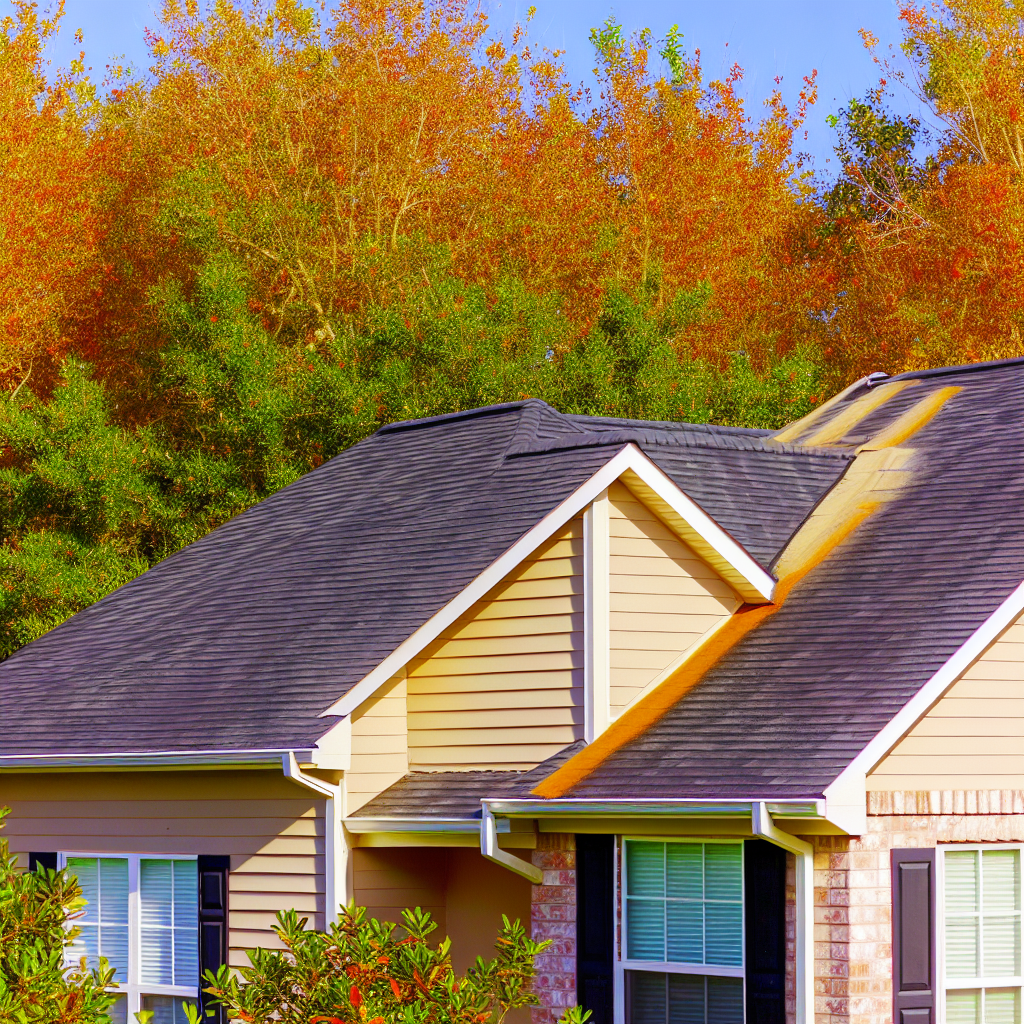
• Discover practical tips for inspecting and maintaining your asphalt shingle roof to prevent weather-related damage
• Learn the dos and don’ts of cleaning and applying weatherproofing materials to ensure durability and effectiveness
• Uncover the crucial steps for secure flashing and gutter maintenance to complement your roofing efforts
Recognizing Early Warning Signs on Your Roof
Your home is your sanctuary, and the roof is its protective shield. It stands to reason then that keeping a vigilant eye on the condition of your asphalt shingle roof is essential for maintaining your home’s integrity. Look out for cracked or curling shingles, as these are clear indicators that your roof’s protective abilities may be compromised. These signs are particularly troubling if found in areas most exposed to the wrath of Marrero’s weather.
Nature can be merciless, and your roof bears the brunt of its unpredictability. As homeowners in Marrero, it’s crucial to inspect for missing shingles, a likely result of heavy winds or storms. This not only exposes your roof’s underlayment to the elements but can also lead to more significant issues like water leaks which, if left unchecked, cascade into a myriad of interior damages.
Problems rarely come alone, and so a roof that needs attention might also reveal itself through less obvious signs. Keep an eye out for moss or algae growth, which thrive in damp conditions and can lead to moisture retention. If these unwelcome guests are present, it’s a telltale sign that your roof is retaining moisture, highlighting the necessity for a thorough clean before any weatherproofing undertakings.
Venturing further into our initial survey, it’s imperative to inspect sealants and flashing around roof penetrations like vents and chimneys. These areas are notorious for leaks and require close inspection. If you spot any cracks or gaps, immediate action is needed. Such vulnerabilities invite water ingress which undermines the structural soundness of your abode and necessitates prompt sealing and repair.
Preparing for a Stronger Shield
Embarking on the journey of weatherproofing your roof begins with a clean slate, quite literally. A roof cluttered with debris or colonized by organic growth stands no chance against the quality sealants you’re ready to apply. It’s time to roll up your sleeves and arm yourself with a broom or a soft pressure washer, and rid your asphalt canvas of any material that doesn’t belong there. Remember, a clean roof ensures better adhesion of the weatherproofing substances, setting the stage for a robust treatment.
After your roof is spotless, the next pivotal phase is selecting the appropriate weatherproofing product. This isn’t just about laying your hands on any sealant but finding one that comes fortified with traits tailored for Marrero’s seasonal bouts. Specific products are designed to resist the humid fall weather, offering steadfast protection when you need it most. For those who aren’t experts in roofing materials, the professionals at Peralta Renovations can guide you through their curated selection of industry-grade options.
Sealing the Deal with Durability
With a top-tier weatherproofing sealant in your arsenal, the stage is set for you to fortify your home’s first line of defense. Application is key here; a methodical approach ensures that every shingle is coated, creating an impenetrable barrier against moisture, sunlight, and thermal fluctuations. Employ either a roller for precision or a sprayer for convenience, but whichever tool you choose, remember to maintain even coverage without overloading the surface. It’s these meticulous details that culminate into the stronghold of security you wish to establish against the elements.
Repairs should not be sidelined during this process, as even the slightest crack or gap under your new weatherproof layer can become a gateway for havoc. Address these nuances with roofing cement, which acts as a steadfast patch over your shingles’ vulnerabilities. Replace the beyond-repair segments to avoid them being the weakest link in your weatherproofing chain. Each proactive measure you take is a testament to your commitment to not just repair but renew and reinforce your home’s uppermost umbrella.
Step 1: Inspect Your Roof for Damage
Begin by closely examining your asphalt shingle roof for any signs of wear and tear, such as cracked, curling, or missing shingles. Pay special attention to areas around vents, chimneys, and other penetrations, as these are common leak sources.
Step 2: Clean the Roof Surface
Thoroughly clean your roof to remove any debris, moss, or algae growth. Use a broom or a gentle pressure wash, ensuring that the surface is clean and dry to promote better adherence of the weatherproofing materials.
Step 3: Choose the Right Weatherproofing Material
Select a high-quality weatherproofing sealant or coating formulated for asphalt shingle roofs. Ensure it provides UV protection, flexibility, and resistance to varying weather conditions.
Step 4: Repair Any Damage
Before weatherproofing, repair any damaged or worn shingles. Apply roofing cement to secure loose shingles and replace any that are too damaged to repair.
Step 5: Apply the Weatherproofing Sealant
Carefully apply the weatherproofing material according to the manufacturer’s instructions. Use a paint roller or sprayer for even coverage, and be sure to cover all areas of the shingles without clogging the gaps for proper ventilation.
Step 6: Secure Roof Flashing
Check the metal flashing around the roof edges, around the chimney, and at the joint of roof sections. Secure any loose sections and seal the edges with a bead of roof sealant to prevent water infiltration.
Step 7: Inspect and Clean Gutters
Ensure your gutters are free of debris to prevent water back-up, which can damage the roof’s edge and undermine the weatherproofing process. Clean out leaves and twigs, and consider installing gutter guards for long-term protection.
Step 8: Schedule Regular Roof Maintenance
Finally, set a routine to inspect your roof regularly and perform necessary maintenance. This includes cleaning, removing overhanging branches, and touching up weatherproofing sealant as needed. Regular maintenance prolongs the life of your weatherproofing job and your roof.
Pitfalls to Avoid During DIY Weatherproofing
When it comes to DIY roof maintenance, it’s just as important to know what not to do as it is to follow the correct procedures. Despite best intentions, some common missteps can lead to more harm than good, diminishing the effectiveness of your weatherproofing efforts. Let’s highlight these pitfalls, ensuring your initiative to protect your asphalt shingle roof from weather-related wear and tear is successful and long-lasting.
Mistake 1: Neglecting Proper Inspection
Often, homeowners rush into repair work without thoroughly inspecting their roof for damage. This oversight can lead to patching up areas that don’t address the root cause of issues, such as unseen underlayment deterioration or damage around roof features. To avoid this, take time for a comprehensive inspection, focusing on potential hidden problem spots.
Mistake 2: Using Harsh Cleaning Methods
While cleaning the roof, using harsh methods like a high-pressure washer can do more harm than good, stripping off granules that protect shingle integrity and causing premature aging. The smarter approach involves a gentler touch using a standard garden hose or a soft broom, which won’t jeopardize the shingles’ effectiveness.
Mistake 3: Choosing Low-Quality Weatherproofing Materials
It can be tempting to cut costs by selecting inexpensive weatherproofing materials, but this often results in subpar protection. Inferior sealants might not adhere properly or provide adequate UV protection, leading to frequent reapplications. Investing in a high-quality product from the outset saves time and money in the long run.
Mistake 4: Inadequate Repairs
Applying sealant over damaged or worn shingles is akin to putting a band-aid on a severe wound. It’s essential to repair or replace compromised shingles before weatherproofing to ensure a solid foundation for the sealant. Skipping this step can lead to significant leaks and structural damage.
Mistake 5: Overapplying Sealant
More doesn’t always mean better. Overapplying weatherproofing sealant can lead to the shingles sticking together and impairing proper roof ventilation. A uniform, measured application ensures optimal performance and avoids the risk of sealing in moisture.
Mistake 6: Ignoring Flashing and Sealing
Failing to secure and seal roof flashing is a frequently overlooked yet critical error. Ensuring that the flashing is properly affixed and using roof sealant to close any gaps prevents water from entering the home’s interior and causing damage.
Mistake 7: Overlooking Gutter Health
Gutters are an integral part of your roofing system, and clogged gutters can cause water to back up and harm the roof’s edge. Regularly inspecting and cleaning the gutters, preferably before heavy weather seasons, will serve to bolster your weatherproofing efforts.
Mistake 8: Lax Maintenance Schedule
Setting and forgetting is not a strategy that applies to roof health. Ongoing maintenance is crucial to extend the life of your weatherproofing work. Schedule consistent check-ups and touch-ups to ensure your roof remains in top condition through the seasons.
Securing Your Home Against the Elements
The ledge of your roof and the joints where different sections meet are common areas where elements can sneak in. These critical junctures require a keen eye and a steady hand to ensure that the flashing—the metal strips designed to direct water away from sensitive areas—is intact and firmly in place. By sealing these critical points, you create an additional layer of protection, a necessary step in the weatherproofing process.
Gutters: Your Roof’s Unsung Heroes
Gutters play an indispensable role in protecting your roof’s structural integrity. They channel water away from your home, preventing damage to both the foundation and the roof’s edge. Keeping them clear is non-negotiable, which is why routine cleaning and maintenance should be as regular as the changing seasons; an obstruction-free gutter is vital for optimal performance and longevity of your weatherproofing efforts.