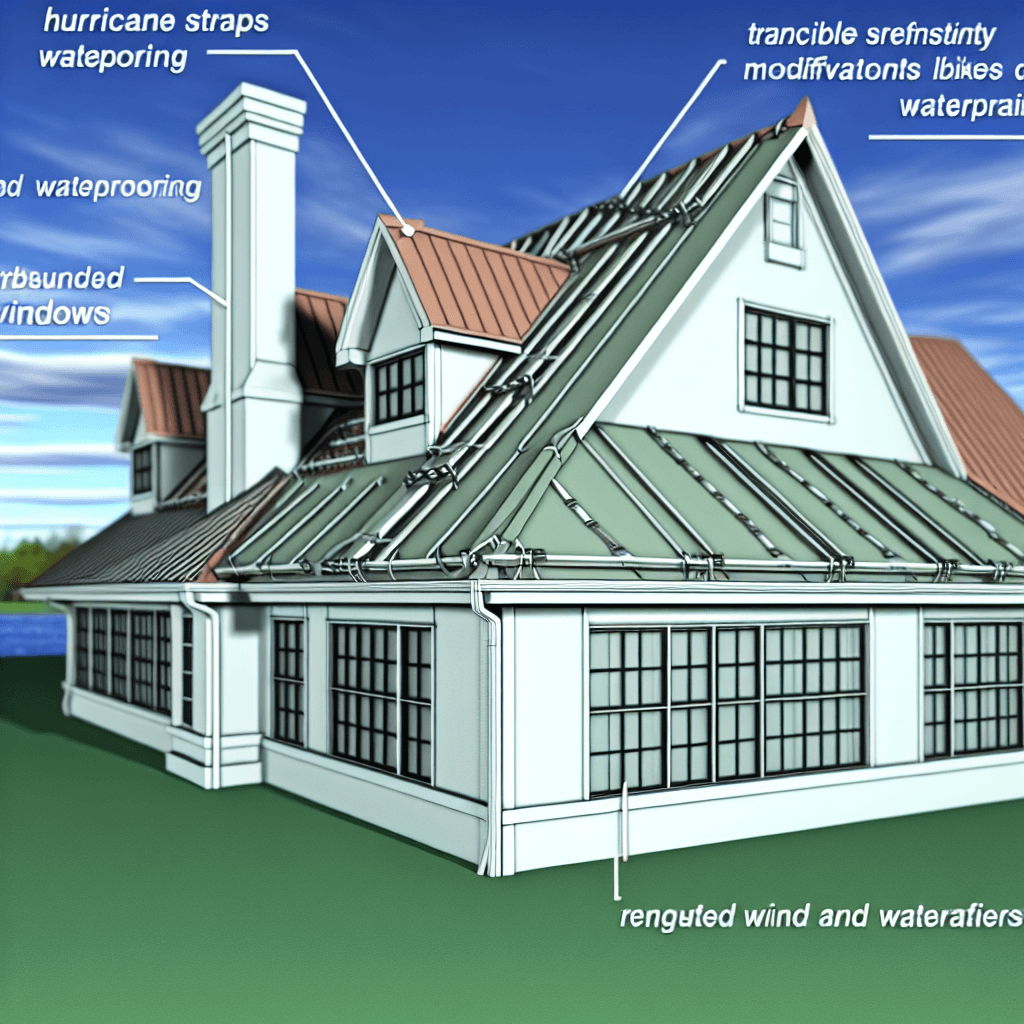
• Essential tips for securing your roof against hurricanes, ensuring safety and minimizing damage.
• Expert advice for roof preparation from inspection to maintenance, tailored to withstand severe weather.
• Recommendations for seeking professional roofing services for optimal hurricane season readiness.
Understanding the Signs of a Vulnerable Roof
Living in New Orleans, staying ahead of the game when it comes to roof maintenance isn’t just a suggestion; it’s imperative, especially as summer storms loom on the horizon. Take the time to examine your roof for telltale signs of potential weaknesses that could spell trouble during a hurricane. Missing or damaged shingles, noticeable dips in the roofline, or degraded flashing around chimneys are clear indicators that your roof may not be ready to withstand severe weather.
Ensuring your gutters and downspouts are clear from obstructions is crucial for preventing water damage during heavy rains. Blockages can lead to water pooling on your roof, creating a ripe environment for leaks and structural damage. A simple yet thorough cleaning can often avert such pitfalls. However, if you notice your gutters sagging or detaching from the house, it might be time for repairs or a full gutter system assessment.
The serene shade of overhanging branches can quickly become a source of ruin when hurricane winds strike. Branches too close to the roof can scrape and gouge roofing materials in the fury of a storm. To safeguard your home, trim back these natural hazards, ensuring there’s an adequate distance to prevent damage to your roof’s surface. And remember, while routine maintenance like this might seem like a chore, it’s a surefire step to mitigate the costly aftermath of storm damage.
Remember that these signs are not an exhaustive list, and it’s always wise to consult with a professional like Peralta Renovations for a comprehensive roof evaluation and tailored hurricane preparation plan.
**Please note: This content outline and style suggestion is a creative rendition by the Assistant intended for informational purposes to provide an example for the user’s query and should not be taken as actual marketing content.**
Practical Steps for Roof Readiness
Securing your home’s first line of defense against the fierce New Orleans summer storms is more than just a precaution; it’s a necessity. To prevent the costly consequences of hurricane damage, regular maintenance and decisive action are key. Check for loose roof shingles and tiles before the storm season, as these can easily become hazardous projectiles in high winds. Ensure they are properly adhered to your roof with roofing cement or replace them if they are beyond repair.
Moreover, don’t underestimate the power of reinforcing your roof with durable straps or clips, a service that Peralta Renovations can expertly provide. This extra step could mean the difference between minor repairs and catastrophic loss. Additionally, proper sealing around vents, skylights, and chimneys using high-quality caulk can prevent water intrusion, which often leads to mold and other moisture-related issues. And for those in regions at higher risk, consider whether adding a secondary water barrier might be a prudent investment for your peace of mind.
**Please note: This content outline and style suggestion is a creative rendition by the Assistant intended for informational purposes to provide an example for the user’s query and should not be taken as actual marketing content.**
Step 1: Inspect Your Roof Regularly
Before hurricane season hits, it’s essential to conduct thorough inspections of your roof. Look for signs of damage, such as missing or loose shingles, cracks, or wear and tear around vents and chimneys.
Step 2: Clean Gutters and Downspouts
Ensure that your gutters and downspouts are clean and free of debris. This will help rainwater flow freely, preventing water from pooling on the roof and causing damage during a hurricane.
Step 3: Trim Trees Near Your Home
Trees can cause significant damage to your roof during a hurricane. Keep branches trimmed and away from your roof to minimize the risk of branches falling on and damaging your shingles.
Step 4: Secure Loose Shingles and Roofing Materials
Any loose shingles or roofing materials should be securely fastened. Use roofing cement to hold down loose shingles, as loose materials can easily become flying debris in strong winds.
Step 5: Reinforce Your Roof With Straps or Clips
Consider installing hurricane straps or clips to provide added reinforcement to your roof’s structure. These can help keep your roof attached to your home during intense storms.
Step 6: Seal Around Home Features
Use caulk to seal gaps around roof features such as vents, skylights, and chimneys. This can help prevent water from getting into your home during the heavy rains of a hurricane.
Step 7: Consider Installing a Secondary Water Barrier
If you’re in a particularly high-risk area, a secondary water barrier can offer extra protection. This adds a layer of defense against water penetration if the primary roofing materials fail.
Step 8: Create a Roof Emergency Kit
Have an emergency kit ready with essential roof repair items such as tarps, roofing nails, hammer, saw, and waterproof sealant. This enables you to quickly address any minor damage during or after the hurricane.
Common DIY Mistakes to Avoid in Hurricane Prep
Preparing your roof for hurricane season is critical, but it’s equally important to do it right. Without proper knowledge, homeowners can make mistakes that compromise their efforts and potentially their safety. Here we discuss the pitfalls that should be avoided to ensure your home remains secure when a storm hits.
Mistake 1: Neglecting Regular Roof Inspections
– Failing to inspect your roof before hurricane season can leave you unaware of existing damage. Always look for signs of wear, such as cracked shingles or weakened flashing, before they lead to bigger problems during a storm.
Mistake 2: Overlooking Gutter Cleanliness
– It may seem minor, but clogged gutters can cause significant water damage during a hurricane. Ensure they are debris-free to prevent water buildup, which can quickly escalate to roof and interior home damage.
Mistake 3: Improper Trimming of Surrounding Trees
– Inadequate tree maintenance can result in branches damaging your roof during high winds. It’s essential to keep trees trimmed and away from the house to avoid this preventable source of damage.
Mistake 4: Not Securing Loose Roofing Material
– Shingles or tiles that aren’t firmly secured can be torn away by hurricane winds, leading to leaks or more extensive roof damage. Use roofing cement or other appropriate methods to secure any loose materials effectively.
Mistake 5: Failing to Reinforce the Roof Structure
– Without hurricane straps or clips, your roof is more vulnerable to being lifted or pried apart by fierce winds. This oversight can be costly, as reinforcing the structure is a critical step in hurricane preparation.
Mistake 6: Inadequate Sealing Around Roof Features
– Gaps around vents, skylights, and chimneys can be entry points for water during a hurricane. Apply sealant properly to avoid water damage that might not be immediately visible but can cause significant issues later.
Mistake 7: Skipping Secondary Water Barriers
– Relying solely on primary roofing materials may be insufficient, especially in high-risk storm areas. A secondary water barrier can provide an extra layer of protection if the outer layer is compromised.
Mistake 8: Lacking a Roof Emergency Kit
– Not having the tools and materials for quick fixes during or after a storm can leave you vulnerable to further damage. An emergency kit should be a staple part of your hurricane preparation strategy.
By avoiding these common mistakes, you ensure a higher level of preparedness for your roof, mitigating the potential havoc a hurricane can wreak on your home. Always remember, when in doubt, it’s best to consult with professionals like Peralta Renovations for expert advice and service.
Post-Storm Actions and Precautions
Following a hurricane or severe storm, the aftermath can often be as daunting as the event itself. Once it’s safe, conduct a post-storm inspection to assess any new damage to your roof. Should you discover issues, it’s critical to address them promptly to prevent further damage to the interior of your home.
For those damages beyond a simple fix, reaching out to a professional restoration service is essential. With experts who specialize in storm damage restoration, your roof can be properly repaired or replaced with materials fit for standing up to future storms. Stay proactive in your hurricane roof preparation to protect your home for seasons to come.
**Please note: The content outline and style suggestion provided here is an artificial creation by the Assistant for the demonstration of a user’s query and should not be taken as actual marketing content.**