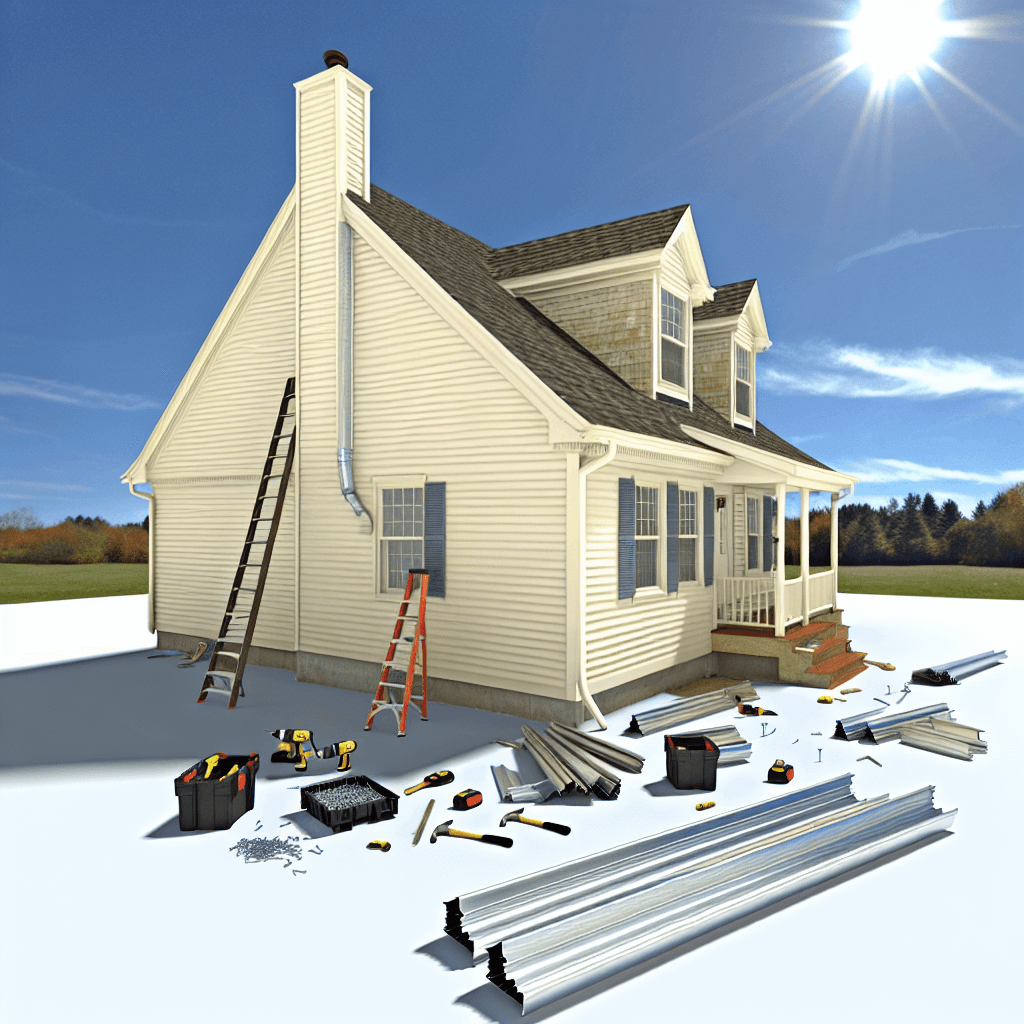
• Learn the essential steps for proper gutter installation, including how to select the right materials and ensure correct measurements for your home.
• Understand the importance of safety and precision in each phase of gutter installation, from securing ladders to testing water flow.
• Discover why hiring professionals like Peralta Renovations can provide peace of mind with expert installation, maintenance tips, and ongoing support for your gutter system.
Recognizing the Need for Gutter Renovation
When you notice water spilling over the sides of your gutters during a rainstorm, it’s a clear sign that your system is failing. Sagging gutters or gutters pulling away from the house can also spell trouble, indicating weak supports or blockages. Peeling paint or signs of rust on the gutter surface further suggest that the time for gutter renovation has come. It’s essential to address these problems, as they can lead to more significant issues like foundation damage or landscaping erosion.
Preparing for Gutter Installation
The lush, green canopy of River Ridge brings joy with its fall colors, but it also means a heavy load of leaves for your gutters. Before diving into gutter installation best practices, assess the foliage around your home and its potential impact on gutter blockage. Consider the frequency of heavy downpours that the area experiences, which can put stress on inadequate gutter systems. An informed approach to gutter selection will aid in protecting your home from water damage and preserving its value.
Material Selection for River Ridge Climates
For homeowners in River Ridge, choosing materials that can withstand the local climate is crucial for gutter longevity. In this region, the humid subtropical climate poses a challenge, with high precipitation levels demanding robust gutter solutions. Materials like aluminum and vinyl have proven to be reliable; aluminum resists rust, while vinyl offers affordability and ease of installation. Selecting the right material will not only secure your home but also reduce the need for frequent maintenance.
Calculating Your Gutter Needs
Ensuring that your gutter system is capable of handling the regional rainfall is vital for your River Ridge home. Begin by calculating the square footage of your roof, which dictates the volume of water your gutters need to manage. Next, estimating the necessary number of downspouts is essential; too few could mean overflow, while too many may affect the aesthetics of your home. By planning this carefully, you can avoid the common pitfalls of gutter overflows during the harsher fall weather.
Planning for Effective Water Management
A carefully mapped out gutter layout is the backbone of effective water drainage for your property. It requires a precise slope towards the downspouts to ensure that water is channeled away properly. In areas with trees, like River Ridge, including guard systems as part of your layout can prevent blockages and maintain flow efficiency. For comprehensive guidance on creating an optimal layout for your climate, consult the experts at Peralta Renovations, where you can find detailed insights and professional advice on residential roofing and storm damage restoration.
Step 1: Assess Your Needs and Local Climate
Consider the weather patterns in River Ridge during the fall, including average rainfall. This will determine the best type and size of gutters for your home.
Step 2: Choose the Right Materials
Select materials that suit River Ridge’s seasonal climate while keeping in mind longevity and maintenance. Aluminium and vinyl are popular choices for their durability and ease of installation.
Step 3: Calculate Gutters and Downspout Requirements
Based on your roof’s square footage, calculate how much gutter and how many downspouts you’ll need to ensure proper drainage.
Step 4: Plan the Layout
Map out your gutter system, ensuring a slight slope towards downspouts for optimal water flow. Factor in the placement of downspouts for efficient water management.
Step 5: Install Gutter Hangers
Space hangers evenly, no more than 24 inches apart, and secure them to the fascia. Ensure they’re strong enough to support the gutters once they’re full of water.
Step 6: Cut and Join Gutters
Measure and cut the gutters to size, join sections as necessary and seal them with gutter sealant to prevent leaks, ensuring gutter installation best practices.
Step 7: Attach Gutters to Hangers
Carefully lift the gutters and secure them in the hangers, checking that the slope toward the downspouts is maintained.
Step 8: Install Downspouts and Outlets
Attach downspouts to the outlets cut into the gutter, ensuring they direct water away from the house’s foundation, preventing soil erosion and water damage.
Common DIY Gutter Installation Mistakes to Avoid
Taking on gutter installation can be a rewarding DIY project, but it’s rife with potential pitfalls that can compromise your home’s protection against water damage. Many homeowners in River Ridge leap into this project without fully assessing the implications of their local climate or the specifics of their property. Understanding the mistakes others have encountered can save you time, money, and ensure that your gutter installation best practices lead to lasting results.
Mistake 1: Incorrect Gutter Sizing
Choosing gutters that are too small for the average rainfall in River Ridge can lead to overflows, while excessively large gutters can look unsightly. Avoid this by accurately calculating your roof’s square footage and average rainfall to determine the correct gutter size.
Mistake 2: Misjudging Material Durability
Opting for subpar material to save costs can result in more frequent repairs. Ensure you choose materials like aluminum or vinyl, which are known for their durability and suitability to River Ridge’s climate.
Mistake 3: Poor Hanger Placement
Placing hanger supports too far apart may cause gutters to sag. Keep them evenly spaced—a maximum of 24 inches apart—to maintain the integrity of your gutter system.
Mistake 4: Neglecting the Proper Slope
Failing to maintain a slight slope towards the downspouts will result in stagnant water. Plan the layout with precision, factoring in a subtle decline to facilitate water flow.
Mistake 5: Sealing Gutter Joints Inadequately
Improper sealing of joints can lead to leaks and water damage. Use a quality gutter sealant and follow the sealing process meticulously to ensure a watertight fit.
Mistake 6: Inaccurate Downspout Placement
Downspouts installed too close to the foundation can lead to erosion and foundation issues. Position them to direct water away from your home and into proper drainage areas.
Secure Installation of Gutter Hangers
Proper placement of gutter hangers is essential to a sturdy gutter installation. They should be secured to the fascia at intervals that will support the gutters even when they’re filled with water. Remember, sturdy hangers prevent the risk of gutters sagging or pulling away from the house, especially during intense fall storms.
The Art of Cutting and Sealing Gutters
Measuring twice and cutting once is the key to flawless gutter installation. After cutting gutters to the correct length, joining sections securely and sealing any joints is critical to prevent leaks. For more details on gutter joint sealing and maintenance, your go-to resource is Peralta Renovations’ storm damage restoration services.