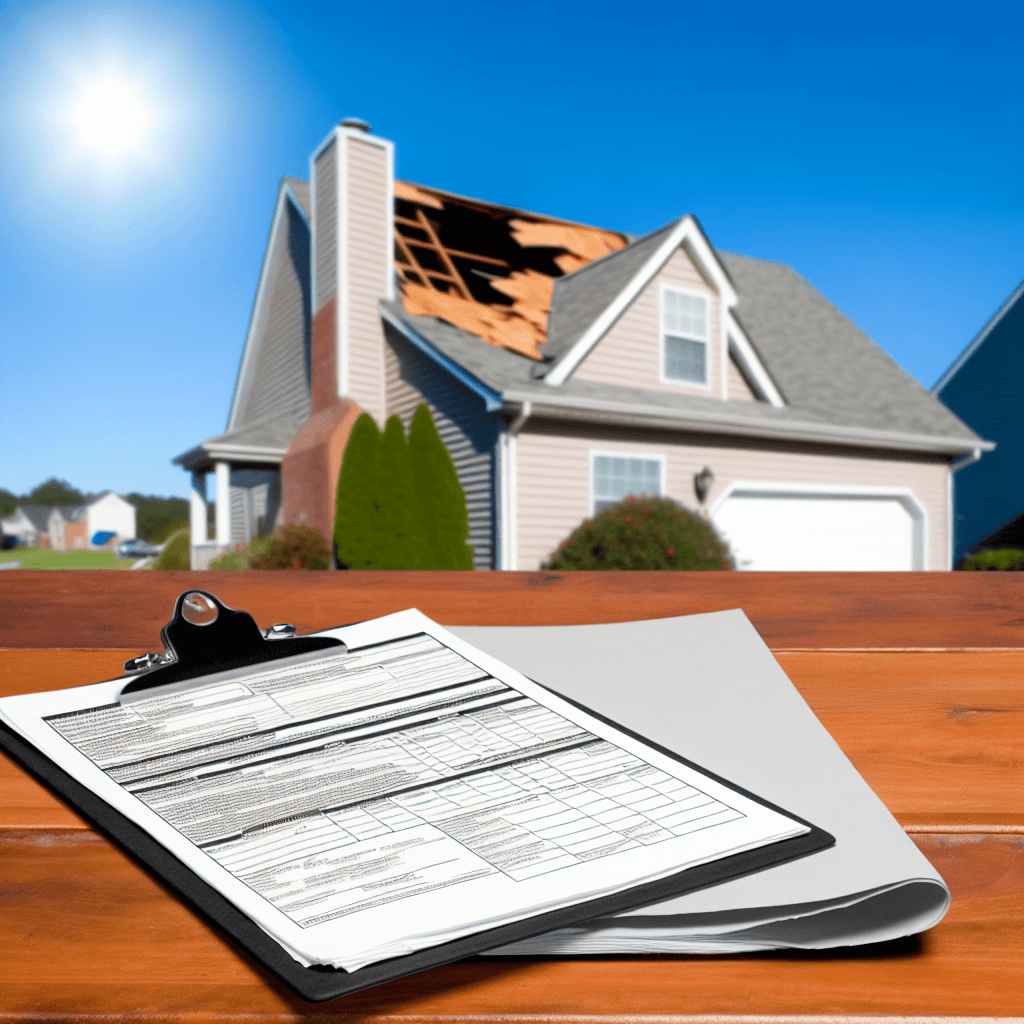
• Step-by-Step Guidance: Navigate the complexities of roof repair insurance claims with ease using our comprehensive guide.
• Professional Insight: Learn the best practices and insider tips to ensure your insurance claims are processed smoothly and efficiently.
• Expert Advice: Discover why enlisting professional help can greatly enhance your chances of successful claim approval and superior roof repairs.
Spotting the Warning Signs
When it comes to roof repairs, being proactive can save you a world of stress, especially in Slidell where the change of seasons can bring about unpredictable weather patterns. Start by looking for missing or damaged shingles, a telltale sign that your roof may be compromised. It’s not just about leaks; water stains on your ceilings or walls could indicate that damage has already begun to penetrate your home’s defenses. Keep an eye out for sagging roofing or an accumulation of granules in gutters, as these can signify advanced wear and tear.
Preventive Vigilance
Regular maintenance checks can’t be overstated, as they are your first line of defense in spotting potential problems. Insurance claims for roof repair can hinge on how well you maintain and monitor your roof’s condition. Sloppy patch jobs or ignored minor issues can blossom into major concerns that insurance might not cover. Therefore, periodic roof check-ups are essential, especially after Slidell’s common high-wind events and as fall approaches.
When to Raise the Alarm
Not all roof issues are immediately evident, and some may creep up silently until they become glaring problems. If you discover mold or rot on or near your roof, it’s a critical signal to act quickly. Similarly, a sudden spike in your energy bills could suggest heat escaping through a compromised roof structure. Prolonged neglect could weaken your negotiating power when navigating insurance claims for roof repair, underscoring the need for constant vigilance.
Documenting the Damage Properly
Acknowledge that once you’ve identified the signs of damage, swift action is key. Capture the damage with clear photographs or video, ensuring you get multiple angles to demonstrate the full extent of the issue. This visual evidence will be indispensable when you file your claim, painting a clear picture of the repair needs for your insurance provider. Remember not to overlook interior damage; images of leaks or water marks inside can bolster your case.
Temporary Fixes: A Stopgap Solution
After documentation, it’s important to take immediate but temporary measures to prevent further damage. Cover any exposed areas with a heavy-duty tarp, and if safety allows, secure loose shingles to mitigate additional harm from Slidell’s erratic weather. These stopgap solutions should be conceived as emergency fixes; documenting these fixes is just as critical as the original damage. Keep every receipt as part of your insurance claim evidence—they could lead to possible reimbursements down the line.
Step 1: Understand Your Roof Repair Insurance Policy
Begin by reviewing your policy to understand what is covered under roof repair claims. Check for specifics regarding storm, hail, or wind damage and note any exclusions.
Step 2: Document the Roof Damage
As soon as you notice damage, take clear photos or videos from various angles. Documenting the extent of the damage right away is crucial for your claim.
Step 3: Temporary Measures to Mitigate Further Damage
Take reasonable steps to prevent additional damage, such as covering holes with a tarp. Keep receipts for materials, as they may be reimbursable.
Step 4: Contact Your Insurance Company
Reach out to your insurance provider to report the damage. Ask about the claims process, and whether they have preferred contractors for assessments.
Step 5: Schedule an Inspection with an Insurance Adjuster
Coordinate with your insurer to have an adjuster inspect your roof. They will assess the damage and provide a repair estimate related to your claim.
Step 6: Obtain Repair Estimates from Licensed Contractors
Get written estimates from a few licensed local contractors specializing in roof repairs. These should include detailed descriptions of the work needed and costs.
Step 7: Submit Your Claim with Detailed Documentation
Present your insurance company with your policy understanding, the damage documentation, and contractor estimates. Fill out all claim forms accurately and comprehensively.
Step 8: Follow Up on Your Claim and Oversee the Repairs
Stay in contact with your insurance company to track progress. Once approved, ensure the selected contractor completes the repairs to your satisfaction, following local Slidell building codes.
Pitfalls to Avoid During Your Insurance Claim Journey
Navigating insurance claims for roof repair can be fraught with potential missteps that may cost you time and money. While homeowners in Slidell aim to quickly rectify roof damage, particularly during the volatile fall weather, being aware of common DIY errors is crucial in ensuring a favorable outcome. Here are some pitfalls to steer clear of, derived from the key steps provided in our guide.
Common Mistake 1: Overlooking Policy Details
Many homeowners rush to repair damage without fully understanding their insurance coverage. This can lead to unexpected out-of-pocket expenses for repairs not covered by the policy. To prevent this, review your policy carefully and consult with your insurance agent to clarify any ambiguities.
Common Mistake 2: Poor Damage Documentation
A lack of detailed documentation can undermine your insurance claim. Some people take too few photos or fail to capture the scope of the damage. It’s essential to have comprehensive visual evidence from multiple angles, including close-ups and wide shots of the affected area.
Common Mistake 3: Inadequate Temporary Measures
Failing to take or document temporary protective measures can result in further damage that might not be covered by insurance. Secure any vulnerable areas with high-quality materials and keep track of the expenses for potential reimbursement.
Common Mistake 4: Delayed Communication with Insurance
Waiting too long to report damage to your insurance can jeopardize your claim. Promptly contact your insurer and provide all necessary documentation to accelerate the claims process and avoid delays.
Common Mistake 5: Not Scheduling Adjuster Inspections
Some homeowners proceed with repairs before an adjuster’s inspection, potentially leading to disputes over the claim amount. Always schedule an inspection to obtain an official assessment and a fair estimate from the insurance company.
Common Mistake 6: Choosing the Wrong Contractors
Hiring an unlicensed or inexperienced contractor can result in subpar repairs that may not comply with insurance standards. Secure estimates from licensed, reputable contractors in Slidell, ensuring they provide a detailed breakdown of the work to be done and associated costs.
Common Mistake 7: Inaccurate Claim Forms
Incorrectly filled claim forms can cause delays or denials. Take care to submit accurately completed claims, and double-check the documents before submission to ensure all information is correct.
Common Mistake 8: Neglecting Follow-Up
Homeowners who don’t stay on top of their claims may encounter longer processing times. Maintain regular communication with your insurance provider to track the claim’s status and ensure a timely resolution and repair process.
Filing Your Claim with Confidence
Contacting your insurance provider promptly sets the stage for a successful claim process. When you reach out, be prepared with your policy number and the detailed damage documentation you’ve collected. This preparedness demonstrates your diligence and helps ensure a smooth interaction with your provider, paving the way for an efficient assessment and claim approval.
Selecting the Right Contractor for Repairs
Choosing a reliable contractor for your roof repair is a critical step that should not be rushed. Look for licensed professionals with a solid reputation in Slidell, like those found at Peralta Renovations, and request detailed written estimates for the repair work. Not only do these estimates support your claim, but they also protect you by providing clear expectations for the scope and cost of the repairs.