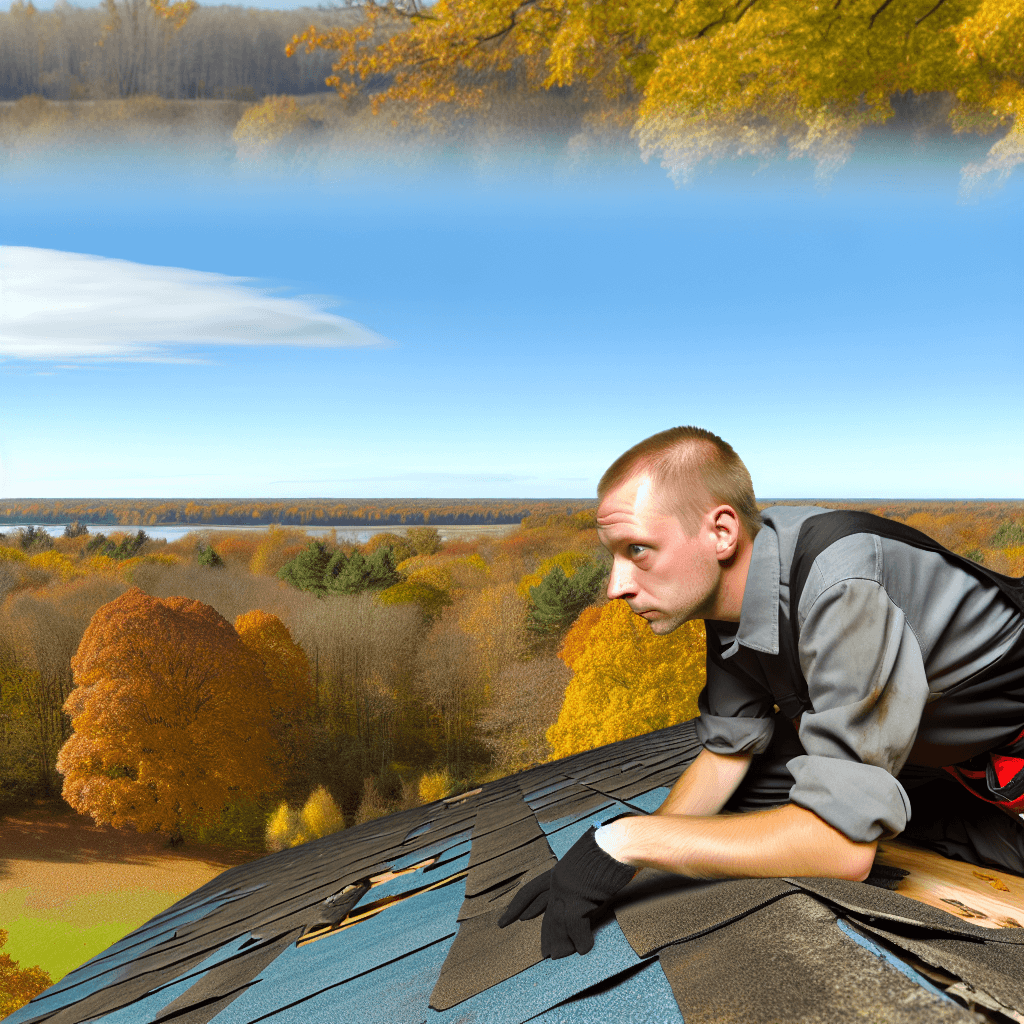
• Learn essential steps for inspecting your roof after fall storms to ensure safety and prevent further damage.
• Discover practical tips to identify common issues, including leaks, lost shingles, and gutter problems.
• Understand the importance of professional assessments to maintain your roof’s longevity and structural integrity.
Understanding Roof Damage Warning Signs
Before diving headfirst into the guide, it’s crucial to recognize the signs that suggest your roof may have been compromised by recent fall storms. From the safety of the ground, start with a visual sweep of your roofline—be on the lookout for missing or damaged shingles, which are often the most blatant indicators of storm damage. Unordinary amounts of debris piled on your roof can also be signals of underlying issues, and water stains or wear patches could mean your roof’s integrity is threatened.
Examining the Roof’s Water Drainage System
Your guttering system plays an essential role in protecting your roof’s structure, directing stormwater away from the house. Post-storm, ensure that there’s no buildup of natural waste like leaves and twigs blocking the gutters or downspouts. Sagging gutters or visible separation from the roof’s edge might indicate that the weight from storm debris or the sheer force of water has caused damage—these are critical aspects needing your attention.
Assessing Long-Term Roof Health
Beyond the immediate aftereffects of a storm, it’s important to consider the long-term life of your roofing. Look at your home’s maintenance records to gauge the roof’s age—most roofs have a lifespan of 20 to 30 years, and if yours falls in this age bracket, you might be looking at compounded issues. Note any spots that have undergone patch-up repairs in the past, as these areas might be particularly vulnerable to storm damage. Remember, a well-aged roof tells a story, and those past chapters often impact its resilience against the storms.
Spotting Interior Indicators of Roof Trouble
The evidence of storm damage isn’t just an outdoor concern—sometimes the most telling signs are indoors. A stroll through the attic might reveal light seeping through cracks, a surefire alert that the roof’s barrier has been compromised. Moisture marks, yellow stains, or the presence of mold on ceilings and walls are red flags that may point to a roof’s inability to keep water out. Take these interior cues seriously; they often indicate more severe damage that isn’t visible from the exterior.
Securing Your Home’s Defense Against the Elements
The importance of a proper roof inspection after a storm cannot be understated, particularly when preparing your Slidell home for the unpredictable winter season. Small issues can rapidly evolve into significant concerns without timely intervention, potentially leading to costly repairs. If you find these signs or are unsure about the extent of your roof’s condition, consulting with a professional from Peralta Renovations is a wise next step. Their expertise in storm damage restoration can be the difference between a simple fix and a full-fledged roofing crisis.
Step 1: Inspect Your Roof for Visible Damage
Begin by visually assessing your roof from the ground. Look for any missing or damaged shingles, debris, or signs of water damage. Use binoculars if needed to get a closer view.
Step 2: Check the Gutters and Downspouts
Ensure that the gutters and downspouts are free of leaves and debris that could impede water flow. Look for signs of sagging or damage which could indicate that the system was stressed during storms.
Step 3: Evaluate the Roof’s Age and Previous Repairs
Consider how old your roof is and any previous storm damage repairs. Roofs typically have a lifespan, and past repairs could affect your inspection findings.
Step 4: Assess the Attic and Ceiling
Check your attic and ceilings for signs of water intrusion such as staining or mold. This could suggest leakages that may have been exacerbated by fall storms.
Step 5: Document Any Damage
Take clear photographs of any damage you find. Documenting these issues will be crucial both for insurance purposes and when consulting professional roofing contractors.
Step 6: Review Safety Precautions
Ensure you’re following proper safety protocols if you need to use a ladder or access the roof for a closer inspection. It’s recommended to have someone with you to monitor and assist.
Step 7: Contact a Professional Roofing Contractor
Seek a professional for a thorough inspection. An expert will have the experience to spot issues that may not be visible to the untrained eye and will provide a comprehensive assessment.
Step 8: Plan for Immediate Repairs if Necessary
Based on the professional’s advice, schedule any necessary repairs to ensure your home is well-protected for the winter. Timely repairs can prevent further damage from winter weather.
Steering Clear of Common Roof Inspection Mistakes
While a proactive approach to roof maintenance is key, especially after the tumultuous fall storms in Slidell, it’s just as important to avoid common pitfalls. Many well-intentioned homeowners dive into do-it-yourself inspections without fully understanding the complexities involved. This can lead to oversights that compromise roof integrity or personal safety, so let’s highlight a few frequent missteps to ensure your efforts are both safe and effective.
Mistake 1: Neglecting Proper Safety Measures
Many homeowners underestimate the dangers of roof inspections. Always use a sturdy ladder, secure it at the base and top, and have someone spot you. For multi-story buildings or steep roofs, it’s best to leave the inspection to professionals to avoid the risk of serious injury.
Mistake 2: Overlooking Gutter and Downspout Blockages
Gutters and downspouts are often ignored despite being essential for water drainage. A blocked gutter can cause water to back up, leading to roof damage. Clean your gutters regularly and after every storm, checking for and removing any obstructions to prevent water-related damage.
Mistake 3: Using Improper Inspection Techniques
Roof inspection is not just about a quick glance at the shingles. It’s essential to know what to look for, like lifted or missing shingles, signs of leaking, or loose material around chimneys or vents. Using binoculars can aid in spotting these issues from the ground without compromising personal safety.
Mistake 4: Failing to Document Damage Appropriately
In the aftermath of a storm, proper documentation of damage is crucial for insurance claims and future reference. Snap clear, well-lit photographs of all areas of concern—blurry or poor-quality images may not suffice when it’s time to demonstrate the extent of the damage to a contractor or insurance company.
Mistake 5: Ignoring the Roof’s Age and Repair History
Often, owners forget to consider the roof’s age and previous repairs, which can indicate vulnerability to damage. Knowing your roof’s history can help prioritize inspection areas and understand if issues are due to wear and tear or storm damage. Ignoring this can result in missed signs and delayed maintenance, leading to more significant problems down the road.
Proactive Measures for Roof Longevity
Preserving the lifespan of your roof starts with regular maintenance and timely inspections, especially after severe weather conditions. Slidell residents, accustomed to the wear and tear of seasonal storms, can benefit greatly from establishing a routine inspection schedule. Post-storm evaluations are critical, but regular check-ups can minimize extensive damage and extend your roof’s durability.
Choosing the Right Roofing Specialist
When it’s time to get professional help, it’s crucial to pair with specialists who will treat your home with the utmost care and expertise. Selecting a contractor with a track record of excellence in both residential and commercial roofing ensures your property receives top-tier service. A well-versed team not only addresses current problems but also advises on preventing future issues, securing your peace of mind through all seasons.