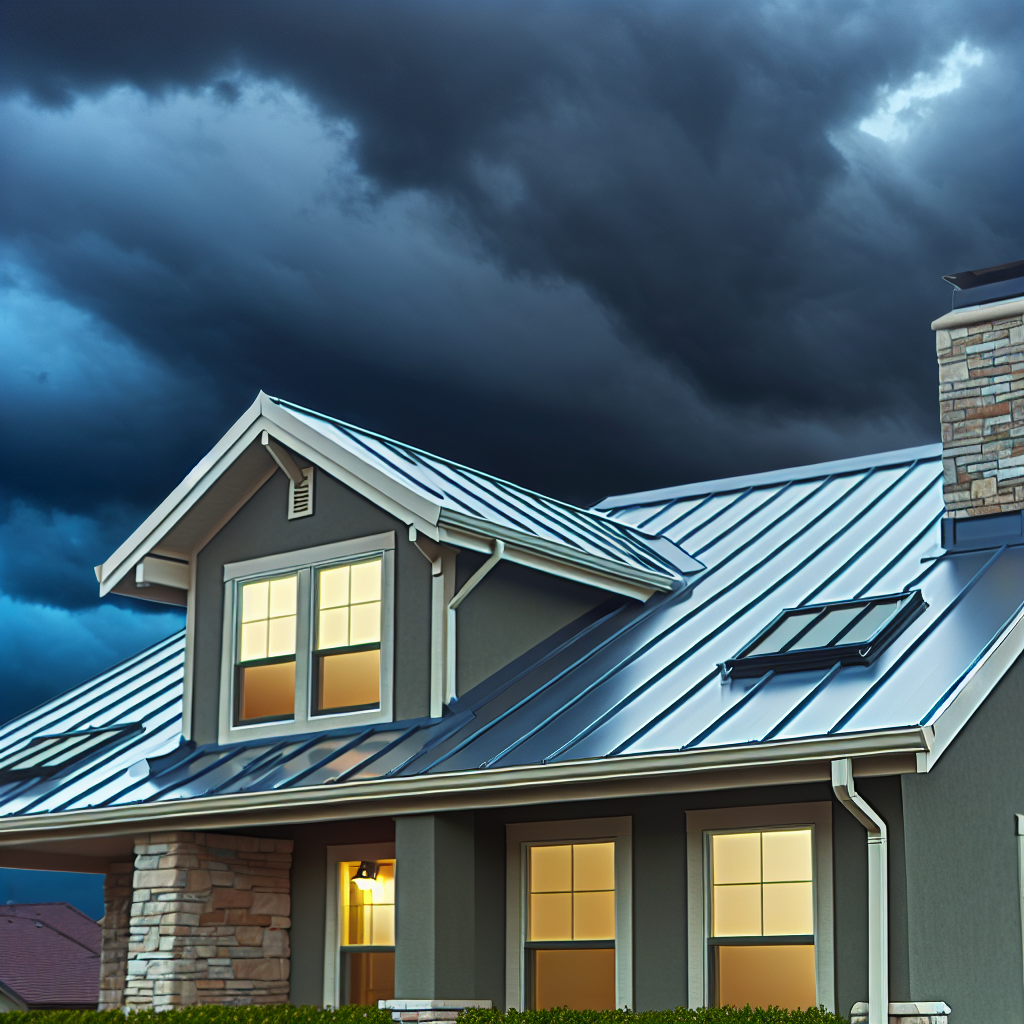
• Spot early signs of wear: Learn how to identify issues such as damaged shingles and water marks before they escalate during extreme weather conditions.
• Choose the best materials: Discover the most durable roofing options for River Ridge’s climate, designed to withstand severe rain and wind.
• Maintain and reinforce: Get professional tips on maintaining gutters, securing fixtures, and performing regular checks to ensure your roof remains in top condition.
Recognizing Roof Wear and Damage
Before turning to the solutions that will armor your roof against the ferocity of nature, it’s critical to identify whether your roofing is currently up to the challenge. Start by inspecting your home’s first line of defense for missing, cracked, or curling shingles—these are telltale signs of a roof reaching the end of its life. Additionally, inside your home, keep an eye out for stains on ceilings or walls, which could indicate water infiltration due to an inadequate roof. Immediate action is necessary because even minor damage can escalate during the next big storm, leading to costly repairs or replacements.
Selecting Materials Built to Last
River Ridge’s climate demands roofing materials that stand the test of time and storms. By choosing options like metal or asphalt shingles rated for high impact resistance, you’re investing in long-term protection for your home. It’s not merely about picking the toughest material; it’s about selecting one that best suits the unique weather patterns of the area. Make this consideration a priority, as the right choice here could mean the difference between a secure home and one vulnerable to the elements.
The Importance of a Strong Roof Infrastructure
Once you’ve identified potential issues and understood the importance of sturdy materials, it’s time to think about the underlying structure that holds your roof together. The roof’s framework should be robust enough to support additional stress during bouts of heavy weather. If you’re unsure about the integrity of your roof’s structure, consulting a roofing professional to assess and potentially fortify rafters and trusses is a wise approach, especially in preparation for River Ridge’s seasonal extremes.
Securing All Roof Fixtures
Part of ensuring a durable roofing system is the proper securing of all add-ons and fixtures. Chimney caps, vent stacks, and skylights can become hazards if not well-attached, as they might get compromised during harsh weather. A routine check is advised to make sure these elements are not only present but firmly in place and functioning correctly. Taking this proactive step not only helps in maintaining the overall integrity of your roofing but also ensures that everything is watertight when extreme weather hits.
Cleaning and Maintenance of Gutters
Gutters play a more vital role than often credited; they are a key part of weatherproofing your home. Clogged or damaged gutters can lead to improper drainage, causing water to pool and potentially damage your roof and house structure. To avoid such mishaps, ensure that you clear gutters and downspouts regularly, particularly before the forecasted arrival of severe weather. Keeping this aspect of your roofing in top condition is essential, and Peralta Renovations can offer expert advice and services to maintain a robust system.
Step 1: Assessing Your Roof’s Current Condition
Check your roof for any signs of wear or damage. Look for missing, cracked, or curling shingles, signs of water damage, and any debris that could cause harm in extreme weather.
Step 2: Selecting the Right Materials
Choose roofing materials that are known for their durability and ability to withstand heavy rain, winds, and other severe weather conditions. Options include metal roofing, slate, or high-impact shingles.
Step 3: Reinforcing the Roof Structure
Ensure your roofing framework is strong enough to support extra weight during heavy rainfall or snow. Consider engaging a professional to reinforce rafters or trusses if necessary.
Step 4: Securing Roof Fixtures
Check and secure all fixtures on your roof, including chimney caps, vent stacks, and skylights, as these can become potential weak spots during extreme weather.
Step 5: Inspecting and Cleaning Gutters
Clear your gutters and downspouts of any debris to prevent blockages and water buildup, which can lead to water damage on your roof and within your home.
Step 6: Installing Weatherproofing Features
Add weatherproofing features such as waterproof underlayment, ice and water shields, and proper insulation to provide extra protection against the elements.
Step 7: Getting Professional Inspection
Hire a roofing expert to conduct a thorough inspection and highlight any areas that need repair or reinforcement before the extreme weather sets in.
Step 8: Routine Maintenance and Checks
Once your roof is prepared, perform regular checks, especially after any weather events, to ensure your roof remains in the best condition to handle future extreme weather.
Common DIY Roofing Mistakes to Avoid
Trying to maintain a durable roofing system for extreme weather can be a daunting task, and homeowners are often tempted to take a DIY approach. While this can be cost-effective, it’s crucial to be aware of common missteps that can lead to serious issues later. This section will guide you through the pitfalls of DIY roofing, providing insights into why these errors occur and how best to avoid them.
Mistake 1: Ignoring Small Signs of Damage
Many homeowners overlook minor issues, such as a few missing shingles or slight curling at the edges. These can be early indicators of larger problems and leaving them unaddressed may lead to substantial damage in the event of extreme weather.
Mistake 2: Choosing Low-Quality Materials
It’s tempting to save money with cheaper materials, but in regions with harsh weather, this can be a costly mistake. Investing in higher-quality, durable materials upfront will pay off when they withstand the rigors of River Ridge’s climate.
Mistake 3: Incorrect Installation of Roofing Materials
Proper installation is key. Laying shingles or applying sealant incorrectly can create vulnerabilities in the roofing system. Always follow the manufacturer’s guidelines or consider hiring a professional to ensure correct application.
Mistake 4: Neglecting the Roof’s Structure
Roof structures weakened by age or previous damage can’t support the weight of heavy materials or snowfall. Ensure rafters and trusses are in good condition before adding new materials to your roof.
Mistake 5: Overlooking Secure Fixtures
Failing to check and secure roof fixtures can have dire consequences. Vent stacks or chimney caps that come loose in a storm can cause leaks or more severe roof damage. Regular checks and maintenance are required to keep these fixtures securely intact.
Mistake 6: Poor Gutter Maintenance
Gutters clogged with debris can’t effectively direct water away from the roof and home, leading to potential water damage. Clean gutters seasonally to prevent these issues, especially before the wet or snowy seasons begin.
Mistake 7: Skimping on Weatherproofing
Many homeowners may not realize the importance of weatherproofing features until it’s too late. Not installing sufficient underlayment, shields, or insulation can leave a home vulnerable to leaks and heat loss.
Mistake 8: Forgoing a Professional Inspection
While DIY inspections are helpful, professional inspections can catch issues you may not spot. A trained eye can recommend necessary repairs or reinforcements to better protect against extreme weather conditions.
Avoid these common mistakes to ensure that your efforts in maintaining a durable and weather-resistant roofing system are successful. It’s better to be proactive and thorough than to realize too late that a crucial step was missed.
Installation of Weatherproofing Features
When preparing for seasonally extreme conditions, installing weatherproof barriers is a critical step. Features like underlayment, ice, and water shields, along with sufficient insulation, work together to safeguard your home from the inside out. These enhancements help prevent leaks and insulate your home to reduce energy costs, making them an essential investment for any durable roofing system.
Professional Inspections: A Crucial Precaution
Even with diligent maintenance, a professional inspection is invaluable for spotting issues that may not be visible to the untrained eye. A certified roofing expert can offer comprehensive evaluations and recommend specific measures to reinforce your roofing against potential threats. Such an inspection should be conducted regularly, and Peralta Renovations offers skilled technicians who can ensure your roof is prepared for whatever the weather brings.