
New Orleans' Expert Flat Roofing Contractors – Get Resilient Roofs
Expert Flat roofing contractors for the New Orleans environment. Trust us to provide the best service and lasting roofing solutions.
Get Your Free Estimate
- Certification: FORTIFIED Wise™-Approved Installers
- Advocacy: Expert Insurance Claim Navigation
- Options: Accessible Financing Solutions
Expert Flat Roofing
TPO (Thermoplastic Polyolefin) Systems
FORTIFIED Roof™ Certified Installations
Peralta Renovations LLC specializes in expert installation of TPO roofing systems, engineered to perform exceptionally in the Greater New Orleans environment. As experienced TPO roofing contractors, we install durable, energy-efficient membranes that resist UV rays, punctures, and harsh weather conditions typical of our subtropical climate.
Modified Bitumen Roofing
Modified Bitumen Roofing
At Peralta Renovations LLC, we provide expert installation of modified bitumen roofing, a trusted choice for flat and low-slope roofs in New Orleans. Our skilled contractors ensure that each installation is carefully executed with high-quality materials designed to withstand heavy rains, intense heat, and storm impacts common to our region.
Energy-Efficient Flat Roofs
Energy-Efficient Flat Roofs
Peralta Renovations LLC offers cutting-edge energy-efficient flat roofing solutions designed to reduce your energy consumption and improve indoor comfort. Our installations use reflective materials and advanced insulation techniques tailored for New Orleans’ hot and humid climate, helping keep your property cooler and lowering utility bills.
Trusted By


Distinctive Roofing Excellence
- Insurance Advocates: Skilled in insurance claims for New Orleans' weather-worn roofs, maximizing your coverage.
- FORTIFIED Expertise: Our hurricane-ready roofing solutions offer unmatched resilience and long-lasting protection.
- Complete Project Oversight: From thorough assessments to comprehensive clean-up, we manage your roofing project end-to-end.
- Owens Corning Preferred: Our commitment to excellence is solidified by our preferred contractor status, offering superior quality.
- Financing Flexibility: Tailored payment options make our quality roofing systems more accessible in the New Orleans market.
- Superior Warranties: Your investment is secure with our extended warranty offers, ensuring long-term confidence in our services.
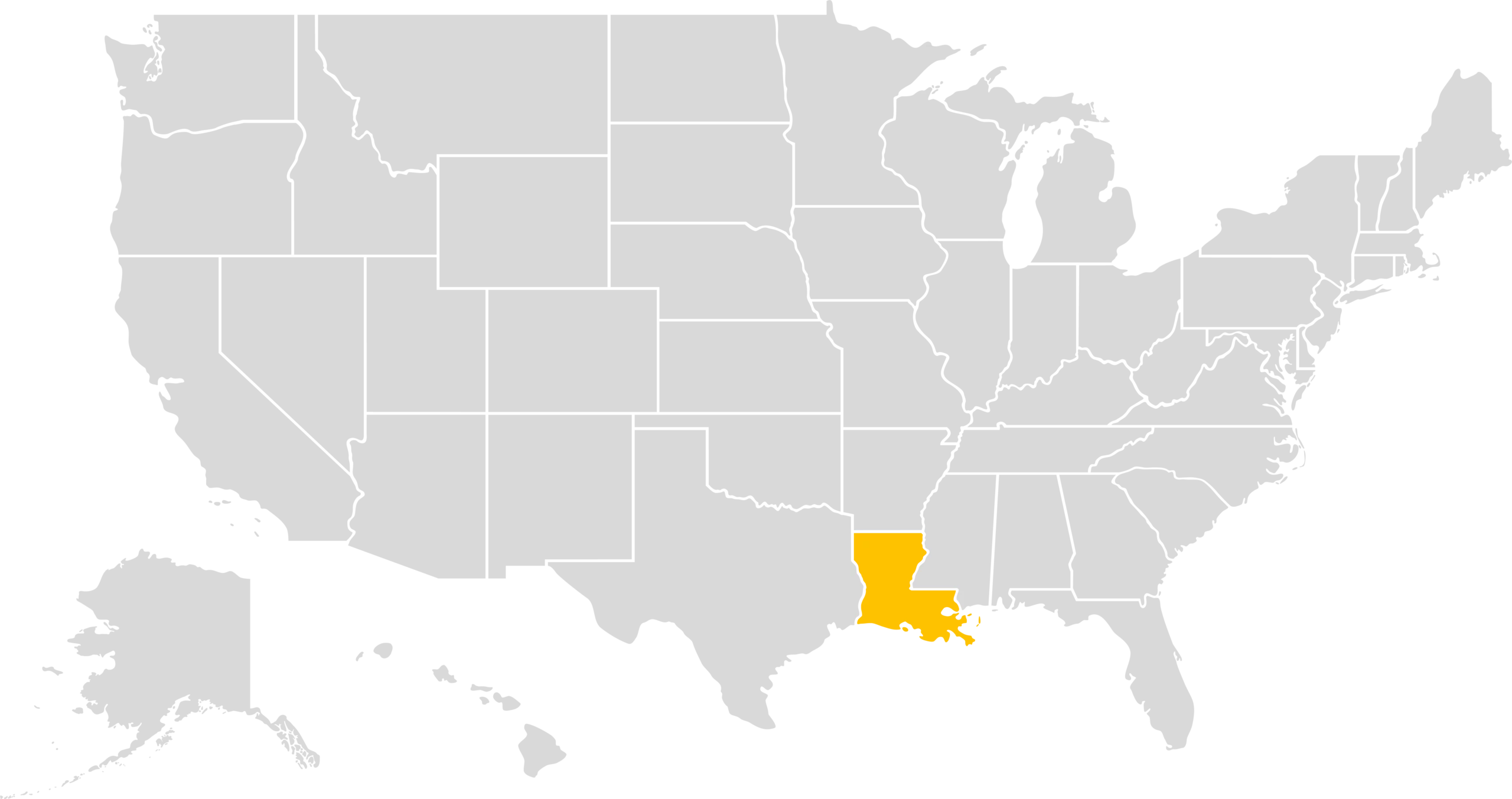
Our Service Areas in Louisiana
Our roofing withstands the city’s extreme weather, preserving the historic charm of your home.
Dependable roofing services for your suburban lifestyle, worry-free.
Proximity to water demands roofing that keeps properties dry and safe.
Protective roofing that matches the heritage of your historic home.
Roofs designed to endure, tailor-made for our community.
Roofing that combats the heat and humidity for a cooler interior.
We protect your business assets and private residences with quality roofing.
Comprehensive roofing care to confidently shield you from damp and storms.
Waterfront living with roofing that ensures protection and comfort.
Learn More
Stylish yet sturdy roofing, perfect for lakeside living.
Small-town charm with roofing built for defense against the weather.
Roofing solutions that stand firm against nature’s forces.
Roofs that ensure your peace of mind, come rain or shine.
Customized roofing solutions for your suburb’s tranquility and style.
Efficient roofing services perfect for close-knit community living.
Expertise in New Orleans' Climate Resilience
Seasonal extremes define New Orleans, from intense heat to powerful hurricanes. As flat roofing contractors, Peralta Renovations LLC excels in creating systems that withstand such diversity.
Our local proficiency allows for roofs that not only protect but endure through the unique patterns of our climate. Every installation we perform embodies this commitment, ensuring lasting quality resistance to New Orleans’ distinct environmental tests.
Streamlined Roofing Experience
Step 1
Initial Roof Evaluation
Starting with a detailed evaluation, we pinpoint your exact roofing needs and prepare for a tailored approach to your property’s challenges.
Step 2
Clear Cost Estimate
Our transparent estimate follows, providing you with a comprehensive breakdown of costs, ensuring clarity and honesty from the outset.
Step 3
Personalized Roofing Strategy
Next, we design a specific roofing plan, catering to your preferences and our climate's demands, for optimal protection and efficiency.
Step 4
Detail-Oriented Implementation
Our skilled team executes your roofing project with utmost precision, leveraging top-tier materials to deliver a long-lasting roofing solution.
Step 5
Reliable Warranty Assurance
We seal our commitment to your satisfaction with a solid warranty, guaranteeing the durability and quality of our roofing services.
Get Your Free Estimate
Secure Expert Roofing Today
Become part of our community of content homeowners in New Orleans, trusting in our robust, durable roofing services. A quick call sets you on the path to a free specialized roof upgrade consultation and our unparalleled extended warranty offers. Take action today to safeguard your home or business with premium roofing expertise.